Understanding the Neurobiology of ADHD
Attention-deficit hyperactivity disorder, or ADHD, is often misunderstood as a simple issue with focus, motivation, or self-control. Many people grow up hearing that they are lazy, careless, disorganized, or not applying themselves hard enough. Over time, these messages can create deep shame and frustration, especially for individuals who are already working incredibly hard just to keep up with everyday demands.
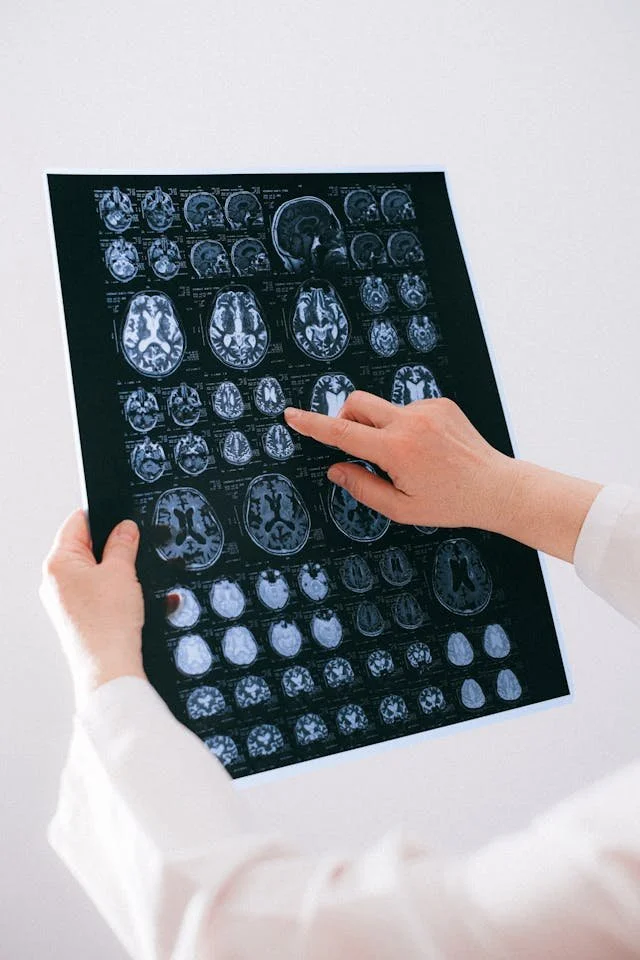
In reality, ADHD is a neurodevelopmental condition that affects how the brain regulates attention, motivation, emotion, memory, and behavior. The challenges associated with ADHD are not usually caused by a lack of intelligence or effort. They are rooted in differences in how the brain processes information and responds to stimulation.
Understanding the neurobiology of ADHD can help people shift away from self-blame and toward a more compassionate understanding of how their brain functions. ADHD therapy often focuses on helping individuals work with these neurological patterns instead of constantly fighting against them.
ADHD Is a Regulation Disorder, Not a Motivation Problem
One of the biggest misconceptions about ADHD is that people with it simply “do not try hard enough.” In reality, many individuals with ADHD expend enormous mental energy attempting to stay organized, focused, and productive.
The difficulty is not usually a lack of caring. It is a problem with regulation. ADHD affects the brain’s ability to consistently regulate attention, impulses, emotional responses, motivation, and executive functioning skills.
This is why someone with ADHD may be capable of intense focus in one situation and feel completely unable to begin a basic task in another. Often, the difference lies in how stimulating or emotionally engaging the task feels to the brain.
Many people with ADHD experience what researchers sometimes describe as interest-based attention. Tasks that are novel, urgent, emotionally engaging, or highly stimulating can activate focus much more easily than tasks that feel repetitive or understimulating. This can create confusing patterns where someone performs exceptionally well in one area while struggling significantly in another.
Dopamine and the ADHD Brain
A major part of ADHD neurobiology involves dopamine, a neurotransmitter connected to motivation, reward, learning, and attention regulation.
In ADHD, dopamine systems function differently, which can make it harder for the brain to activate around tasks that do not provide enough stimulation or immediate reward. This is one reason people with ADHD often describe feeling mentally “stuck” when trying to begin important tasks, even when they genuinely want to complete them.
To outside observers, this may look like procrastination or avoidance. Internally, however, the experience often feels more like an inability to activate the brain’s engagement system.
This neurological difference also helps explain why many individuals with ADHD seek stimulation in various ways. The brain naturally gravitates toward novelty, urgency, movement, emotional intensity, or highly rewarding experiences because these things increase engagement and focus more effectively.
ADHD therapy frequently helps individuals understand these patterns without shame while also building supportive systems that reduce reliance on inconsistent motivation.
Executive Functioning and Everyday Life
One of the most significant aspects of ADHD involves executive functioning. Executive functions are the brain’s management systems. They help people organize tasks, prioritize information, estimate time, regulate emotions, shift attention, and follow through on goals.
When executive functioning is impaired, even simple daily responsibilities can become overwhelming. Someone may know exactly what they need to do and still struggle enormously to begin. They may forget information while actively trying to remember it or become mentally overloaded trying to organize multiple tasks at once.
This disconnect is often difficult for others to understand because the person may appear capable in certain situations. Many people with ADHD are highly intelligent, creative, insightful, and resourceful. The problem is not a lack of ability. It is inconsistency in the brain systems responsible for organizing and directing that ability.
ADHD therapy often focuses on externalizing executive functioning demands through routines, reminders, visual supports, environmental modifications, and simplified systems.
Emotional Regulation Is Also Part of ADHD
ADHD is commonly discussed in terms of attention and hyperactivity, but emotional regulation is also deeply connected to the condition.
Many individuals with ADHD experience emotions intensely and may struggle to regulate frustration, disappointment, rejection, or overstimulation. Emotional reactions can happen quickly and feel difficult to slow down once activated.
This is partly because ADHD affects brain regions involved in impulse control and emotional processing. As a result, many people experience heightened emotional sensitivity, difficulty calming themselves during stress, or intense reactions to criticism and rejection.
Over time, repeated experiences of feeling misunderstood or “too much” emotionally can contribute to shame, anxiety, or chronic self-criticism. ADHD therapy often includes emotional regulation work alongside practical strategies for organization and focus because the emotional impact of ADHD can be just as significant as the cognitive challenges.
Time Blindness and the Experience of “Now”
Many people with ADHD struggle with something commonly referred to as time blindness. This does not mean they literally cannot perceive time, but rather that the brain has difficulty consistently sensing the passage of time and maintaining awareness of future consequences.
Tasks that are not immediate may feel psychologically distant, even when they are objectively important. Deadlines may not feel urgent until they become very close, which can create cycles of procrastination followed by frantic last-minute effort.
This pattern is not usually intentional. The ADHD brain tends to prioritize what feels immediate, emotionally relevant, or stimulating in the present moment. Future-oriented planning often requires much more conscious effort and external structure.
ADHD therapy frequently helps individuals create systems that make time more visible and concrete rather than relying solely on internal awareness.
The Emotional Impact of Living With ADHD
Living with ADHD in environments that misunderstand it can place enormous stress on the nervous system. Many individuals spend years trying to compensate for executive functioning difficulties while also absorbing criticism from teachers, parents, peers, employers, or even themselves.
Over time, this can lead to anxiety, perfectionism, burnout, depression, or deeply ingrained feelings of inadequacy. Some people begin believing they are fundamentally irresponsible or incapable because they repeatedly struggle with tasks that appear easy for others.
Understanding the neurobiology of ADHD can be deeply validating because it reframes these struggles through a neurological lens instead of a moral one. The goal is not to excuse harmful behavior or avoid accountability. It is to replace shame with understanding so people can build strategies that actually support how their brain functions.
Neuroplasticity and Hope
Although ADHD affects brain functioning, the brain remains adaptable throughout life. People with ADHD are capable of growth, learning, and meaningful change.
The most effective approaches usually involve working with the brain rather than trying to force it into systems designed for entirely different neurological patterns. This often means creating environments that reduce unnecessary friction, building routines that support executive functioning, and developing more compassionate ways of responding to setbacks.
ADHD therapy can help individuals better understand their nervous system, identify practical coping strategies, and rebuild self-trust after years of shame or misunderstanding.
Final Thoughts
ADHD is far more complex than simple distractibility or lack of motivation. It affects how the brain regulates attention, emotion, motivation, executive functioning, and time awareness.
When these differences are misunderstood, many individuals internalize years of shame and self-criticism. Learning about the neurobiology of ADHD helps shift the conversation away from blame and toward understanding.
ADHD therapy supports individuals in building practical systems, emotional regulation skills, and healthier relationships with themselves. The goal is not to become someone without ADHD. It is to better understand how your brain works so you can create a life that supports it more effectively.