How to Stay Emotionally Resilient in the Face of Global Humanitarian Crises
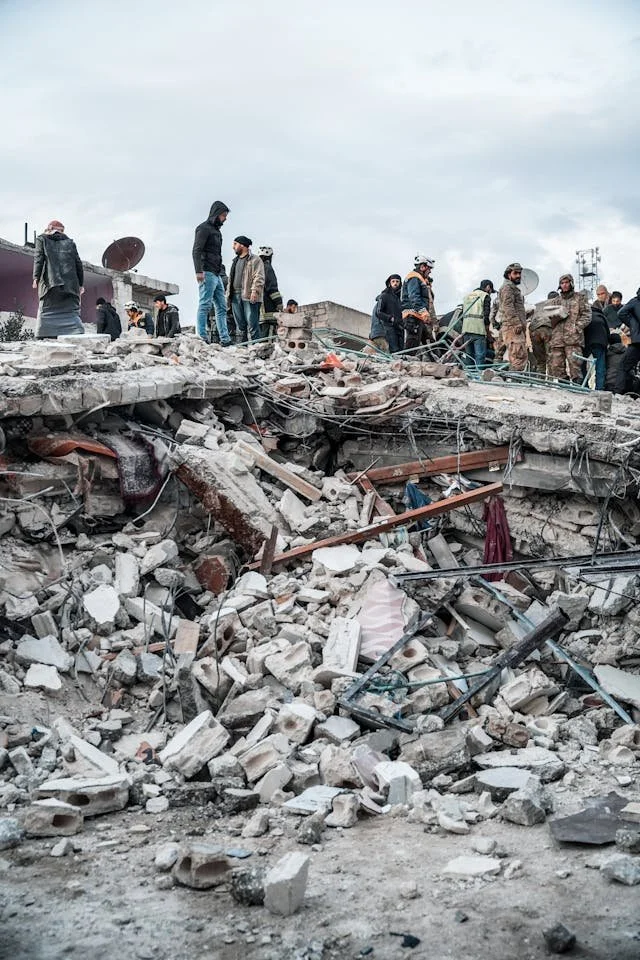
War. Famine. Displacement. Natural disasters. Political unrest.
We are exposed to global humanitarian crises in real time. Images, updates, and commentary travel instantly. You may wake up and immediately see suffering across the world.
Caring about global issues is deeply human. Empathy connects us. But constant exposure to large-scale suffering can strain your nervous system. Many people feel overwhelmed, helpless, or emotionally exhausted.
Political anxiety therapy often supports individuals who are struggling with this exact tension: how to remain informed and compassionate without becoming emotionally depleted.
Staying resilient does not mean becoming indifferent. It means learning how to carry awareness in a sustainable way.
Why Global Crises Feel So Personal
Even when events occur far away, your nervous system does not distinguish easily between direct threat and mediated exposure.
When you repeatedly view distressing images or read urgent headlines, your body may react as if danger is immediate.
You might notice:
Heightened anxiety
Irritability
Trouble sleeping
Intrusive thoughts
Emotional numbness
Feelings of helplessness
Political anxiety therapy helps people understand that these reactions are natural responses to repeated exposure to distressing information.
The Weight of Helplessness
One of the most difficult aspects of global crises is the sense of powerlessness.
You may think:
I cannot fix this
What I do does not matter
The world feels unstable
Things are getting worse
Helplessness can quickly evolve into hopelessness if left unexamined.
Political anxiety therapy focuses on identifying where you do have influence and accepting where you do not. This balance reduces emotional paralysis.
Compassion Fatigue and Secondary Trauma
Constant exposure to stories of suffering can lead to compassion fatigue or secondary trauma.
This may show up as:
Emotional exhaustion
Cynicism
Withdrawal
Reduced empathy
Feeling overwhelmed by small stressors
Caring deeply does not require constant immersion. Sustainable compassion includes boundaries.
Political anxiety therapy often includes helping clients establish healthy limits around news consumption and engagement.
Creating Intentional Media Boundaries
You can remain informed without being saturated.
Consider:
Checking news at designated times rather than continuously
Choosing a limited number of reliable sources
Avoiding graphic imagery when possible
Taking breaks from social media
Boundaries protect your nervous system. They do not reflect apathy.
Political anxiety therapy encourages conscious engagement rather than compulsive monitoring.
Grounding in the Present
Global crises can create a sense that the entire world is unstable. Grounding practices help anchor you in your immediate environment.
Examples include:
Noticing physical sensations in your body
Naming five things you can see
Focusing on slow, steady breathing
Engaging in physical movement
These techniques calm the stress response and restore perspective.
Channeling Concern Into Action
Helplessness decreases when concern becomes purposeful action.
Action might include:
Donating to reputable organizations
Volunteering locally
Writing to representatives
Participating in peaceful advocacy
Educating yourself on constructive solutions
Even small actions restore a sense of agency. Political anxiety therapy often emphasizes meaningful engagement over passive consumption.
Protecting Your Emotional Bandwidth
You cannot carry every crisis simultaneously. Emotional bandwidth is finite.
Ask yourself:
What level of engagement is sustainable for me
Where can I contribute without burning out
When do I need rest
Rest allows empathy to remain intact. Without rest, empathy collapses into numbness.
Strengthening Community Connection
Isolation amplifies anxiety.
Discussing concerns with trusted friends, family members, or support groups can provide perspective and shared processing.
Political anxiety therapy often includes exploring how to stay connected rather than withdrawing in overwhelm.
Community creates resilience.
Differentiating Awareness From Rumination
There is a difference between staying informed and replaying distressing information repeatedly.
Rumination often sounds like:
What if this spreads
What if things get worse
What if we are not prepared
While some planning is helpful, repetitive catastrophic thinking increases stress without increasing preparedness.
Political anxiety therapy helps interrupt rumination and redirect focus toward realistic coping.
Cultivating Hope Without Denial
Hope does not require ignoring suffering. It requires remembering that crises are not the entirety of reality.
Alongside devastation, there are relief efforts, resilience, and acts of courage.
Intentionally noticing stories of recovery and cooperation balances your mental landscape.
Political anxiety therapy supports integrating awareness of suffering with awareness of strength.
When to Seek Political Anxiety Therapy
Consider seeking support if:
News exposure disrupts sleep or concentration
You feel persistently hopeless
You struggle to disengage from distressing content
Anxiety affects relationships or work
You feel emotionally numb or overwhelmed
Political anxiety therapy can help you stay engaged in global awareness while maintaining emotional stability.
Final Thoughts
Global humanitarian crises challenge the heart and the nervous system. It is natural to feel grief, anger, and concern.
Resilience does not mean shutting down empathy. It means protecting it.
With intentional boundaries, grounding practices, meaningful action, and sometimes the support of political anxiety therapy, you can remain compassionate without becoming consumed.
You are allowed to care. You are also allowed to rest.
Holding both is not selfish. It is sustainable.