Effective Ways to Improve Communication With Your Partner
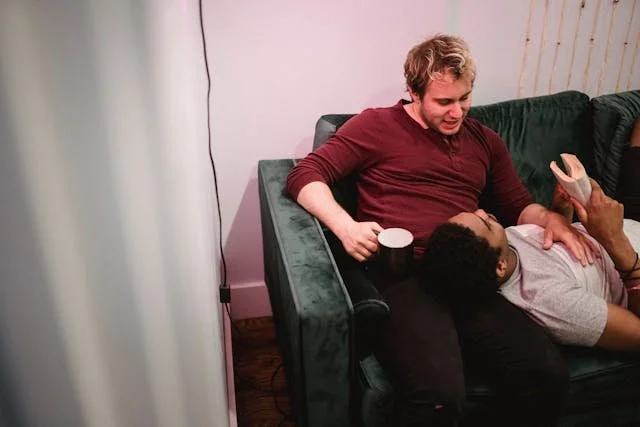
Communication problems are one of the most common reasons couples feel disconnected, misunderstood, or emotionally stuck. Many people assume communication issues happen because one person is not listening, does not care enough, or simply refuses to change. In reality, relationship communication is usually far more complex.
Most couples are not intentionally trying to hurt each other. More often, they become trapped in repetitive emotional patterns where both people feel unheard, defensive, or emotionally unsafe. Conversations that begin with good intentions can quickly escalate into frustration, withdrawal, criticism, or conflict.
Marriage counseling often helps couples recognize that communication is not just about saying the “right” words. It is about emotional safety, nervous system regulation, vulnerability, listening, timing, and the ability to understand each other beyond surface-level reactions.
Why Communication Breaks Down So Easily
Many couples communicate reasonably well during calm moments but struggle once emotions become activated. Stress, exhaustion, resentment, anxiety, or past emotional wounds can dramatically affect how people interpret conversations.
When the nervous system feels emotionally threatened, people often shift into self-protection rather than connection. One partner may become defensive or argumentative. Another may emotionally shut down or withdraw completely. Both people may leave the conversation feeling misunderstood even if neither intended harm.
Over time, these patterns can become automatic. Couples stop responding to the actual conversation happening in the moment and instead react to fears, assumptions, or emotional expectations built from previous experiences.
Marriage counseling often focuses on slowing these patterns down so couples can better understand what is emotionally happening underneath the conflict itself.
Learning to Listen Without Immediately Defending
One of the biggest barriers to healthy communication is the urge to defend yourself immediately when your partner expresses hurt, frustration, or disappointment.
When people feel criticized, the nervous system often reacts quickly. Instead of listening to understand, they begin mentally preparing explanations, corrections, or counterarguments. As a result, conversations turn into debates about intention rather than opportunities for emotional understanding.
Improving communication often involves learning how to stay emotionally present long enough to truly hear your partner’s experience before responding defensively. This does not mean automatically agreeing with everything being said. It means becoming curious about what your partner is actually feeling underneath their words.
Marriage counseling frequently helps couples develop this kind of emotional listening because many people were never taught how to tolerate vulnerable conversations without becoming reactive.
Focusing on Understanding Instead of Winning
Many communication problems escalate because conversations quietly become competitions over whose perspective is “correct.” Once this happens, emotional connection usually disappears and both people begin fighting to feel validated rather than understood.
Healthy communication is less about proving who is right and more about understanding each other’s emotional reality. Two people can experience the same interaction very differently without either person intentionally causing harm.
When couples shift from:
“How do I prove my point?”
to:
“What is my partner experiencing emotionally right now?”
conversations often become far less adversarial and much more productive.
Timing Matters More Than Many Couples Realize
Even important conversations can go poorly if the timing is wrong. Trying to discuss emotionally sensitive issues during moments of exhaustion, distraction, high stress, or active conflict often increases defensiveness rather than understanding.
Many couples attempt difficult conversations when one or both people are already emotionally overwhelmed. In these moments, the nervous system is less capable of listening openly, regulating emotions, or responding thoughtfully.
Improving communication sometimes involves recognizing when a conversation needs to pause temporarily rather than forcing resolution while emotions are escalating. Taking space to calm down is very different from avoiding the issue entirely.
Marriage counseling often helps couples recognize the difference between healthy pauses and emotional withdrawal.
Expressing Feelings Without Blame
People are more likely to remain emotionally open when they do not feel attacked. However, many couples communicate pain through criticism, accusation, or generalized statements that immediately trigger defensiveness.
For example, saying:
“You never care about my feelings.”
often creates a very different emotional response than:
“I’ve been feeling emotionally disconnected lately and I miss feeling close to you.”
The second approach expresses vulnerability instead of attack. Vulnerability tends to invite connection more effectively than criticism does, even though vulnerability can initially feel more emotionally risky.
Recognizing Emotional Patterns Instead of Only Surface Conflicts
Many recurring arguments are not truly about the surface issue being discussed. A disagreement about chores, texting, finances, or schedules may actually reflect deeper emotional fears underneath the conversation.
One partner may be feeling unimportant, emotionally alone, unsupported, or unappreciated. The other may feel constantly criticized, controlled, or unable to meet expectations no matter what they do.
When couples focus only on solving the surface-level disagreement, they often miss the emotional meaning driving the conflict repeatedly. Marriage counseling frequently helps couples identify these deeper relational patterns so conversations stop cycling endlessly around the same unresolved emotions.
Emotional Safety Changes Communication
Communication improves dramatically when emotional safety increases. When people feel emotionally safe, they are more likely to express vulnerability honestly, listen openly, assume good intentions, and recover from misunderstandings more effectively.
Emotional safety develops through consistency, empathy, accountability, validation, and respectful conflict repair over time. It is not created through perfection. All couples misunderstand each other sometimes. The difference lies in how those misunderstandings are handled.
Couples who feel emotionally safe tend to approach communication with curiosity and teamwork rather than fear and self-protection.
The Importance of Repair After Conflict
Healthy communication is not about avoiding all conflict. Every relationship experiences misunderstandings, emotional reactions, and moments of tension.
What matters most is often the ability to repair afterward. Repair involves acknowledging hurt, taking responsibility where appropriate, clarifying misunderstandings, and reconnecting emotionally after conflict rather than allowing resentment to build silently over time.
Small repair attempts matter more than many people realize. Apologizing sincerely, expressing empathy, checking in emotionally, or returning calmly to a difficult conversation can significantly strengthen trust and connection within a relationship.
Communication Is a Skill, Not a Personality Trait
Many people believe they are either naturally “good” or “bad” at communication. In reality, communication is a skill shaped by upbringing, emotional experiences, nervous system regulation, attachment patterns, and practice.
People who grew up around criticism, avoidance, emotional shutdown, or chronic conflict often carry those patterns into adult relationships automatically. This does not mean healthier communication is impossible. It means those patterns usually need awareness, practice, and emotional safety in order to change.
Marriage counseling often helps couples build these skills intentionally instead of expecting healthy communication to happen automatically.
Final Thoughts
Improving communication with your partner is rarely about learning perfect phrases or avoiding every disagreement. More often, it involves learning how to stay emotionally present, listen with curiosity, express vulnerability safely, and understand the emotional meaning underneath conversations.
Most communication struggles are not caused by lack of love. They are caused by emotional patterns, defensiveness, fear, stress, and misunderstanding that develop gradually over time.
Marriage counseling can help couples slow these patterns down, improve emotional safety, and build healthier ways of connecting during both calm moments and conflict.
Healthy communication is not about never misunderstanding each other. It is about developing the ability to repair, reconnect, and understand each other more deeply when misunderstandings happen.