The Mental Health Impact of Social Justice Movements on Activists
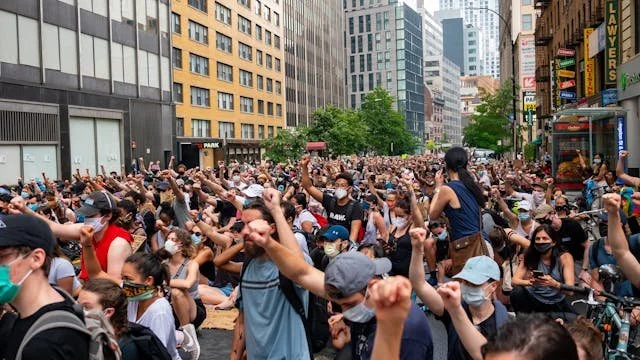
Social justice movements are fueled by empathy, courage, and a deep sense of responsibility to others. Activists step forward because they care about safety, dignity, and justice. While this work can be meaningful and empowering, it can also place immense strain on mental health, especially when engagement is sustained over long periods of uncertainty and conflict.
Many activists experience anxiety, grief, anger, exhaustion, and burnout, yet feel pressure to keep going no matter the cost. Acknowledging the emotional impact of activism does not weaken a cause. It strengthens it by protecting the people who sustain it.
Political anxiety therapy focuses on helping people stay engaged with social and political issues without sacrificing their mental health. For activists, this balance is not optional. It is essential for longevity and well-being.
Why Activists Are Especially Vulnerable to Chronic Stress
Activism often involves repeated exposure to injustice, violence, and systemic harm. Unlike acute stress, this exposure is ongoing and emotionally charged. Activists are frequently expected to witness suffering, respond quickly, and remain informed at all times.
This creates a unique form of stress where the nervous system rarely has a chance to recover. Many activists feel responsible not only for their own actions but for outcomes far beyond their control.
Political anxiety therapy helps activists recognize when stress has shifted from situational concern to chronic nervous system overload.
The Emotional Labor of Bearing Witness
One of the most taxing aspects of activism is bearing witness. Reading stories of harm, watching distressing footage, and supporting those directly impacted by injustice places a heavy emotional load on the body and mind.
Common emotional responses include:
Grief and sadness
Anger and moral outrage
Helplessness or despair
Guilt for moments of rest or joy
These reactions are not signs of weakness. They are signs of empathy. Without intentional support, however, empathy can turn into emotional depletion. Political anxiety therapy often helps people process these emotions without becoming overwhelmed by them.
Anxiety and Constant Alertness
Many activists live in a state of heightened alert. The nervous system stays primed for threats, setbacks, or crises. This can feel necessary, but over time it becomes exhausting.
This may show up as:
Difficulty relaxing or unplugging
Compulsive news or social media checking
Fear of missing important updates
Trouble concentrating on everyday tasks
When the body stays in survival mode too long, anxiety becomes chronic rather than situational. Political anxiety therapy helps regulate this constant alertness so engagement does not come at the cost of mental health.
Moral Injury and Loss of Hope
Moral injury occurs when deeply held values are repeatedly violated or ignored. Activists may experience this when witnessing harm that goes unaddressed or when institutions fail to act despite clear evidence of injustice.
This can lead to:
Cynicism or emotional numbing
Withdrawal from activism or community
Feelings of betrayal or disillusionment
Questioning whether efforts matter
Political anxiety therapy helps activists process moral injury by validating the emotional impact while restoring a sense of agency and grounded hope.
When Activism Becomes Identity
For many people, activism becomes central to identity. While this can provide purpose, it can also create pressure to be constantly engaged and available.
When identity and activism fully merge, stepping back can feel like betrayal. Rest may feel irresponsible. Activists may struggle to enjoy personal moments without guilt.
Political anxiety therapy supports identity expansion rather than contraction. You are allowed to care deeply about justice and still be a whole person with interests, relationships, and needs beyond activism.
Internal Conflict Within Activist Spaces
Social justice communities are not immune to conflict. Disagreements about language, strategy, or priorities can feel especially intense when values are deeply held.
Internal conflict may lead to:
Fear of being judged or excluded
Emotional exhaustion from constant debate
Loss of trust or belonging
Increased anxiety and self-doubt
These experiences can be deeply painful because activist spaces are often expected to feel safe. Political anxiety therapy helps people navigate these dynamics while maintaining emotional boundaries.
Burnout Is a Signal, Not a Failure
Burnout is common among activists, yet often misunderstood as a lack of commitment. In reality, burnout usually happens because someone cared deeply for too long without adequate support.
Burnout may include:
Emotional numbness
Loss of motivation
Chronic fatigue
Irritability or detachment
Difficulty experiencing joy
Political anxiety therapy reframes burnout as information rather than failure. It signals that the nervous system needs rest and recalibration, not shame.
Rest Is Not Disengagement
Many activists fear that resting means giving up. In reality, rest is a form of sustainability. Movements that do not allow rest often lose their most dedicated members.
Rest may include:
Limiting exposure to distressing media
Taking breaks from organizing roles
Prioritizing sleep and nourishment
Engaging in activities unrelated to activism
Political anxiety therapy helps activists separate urgency from importance so rest becomes part of long-term engagement rather than a source of guilt.
Boundaries as a Protective Practice
Setting boundaries is often framed as self-care, but for activists it is also protective and necessary. Boundaries push back against systems that demand constant output without regard for human limits.
Healthy boundaries might include:
Choosing when and how to engage
Saying no to roles beyond capacity
Protecting personal time and relationships
Limiting online exposure
Political anxiety therapy helps people set boundaries without disconnecting from their values.
How Political Anxiety Therapy Supports Activists
Political anxiety therapy is not about caring less. It is about caring in a way that is sustainable.
Therapy can help activists:
Regulate chronic stress responses
Process grief, anger, and fear
Reduce compulsive information consumption
Address feelings of helplessness
Build emotional boundaries
Reconnect with meaning outside crisis
The goal is resilience, not disengagement.
Redefining Impact and Contribution
Impact does not always mean constant visibility or action. Sometimes impact looks like mentoring others, contributing quietly, or stepping back to heal.
Activism is collective work. No one person is responsible for carrying everything. Political anxiety therapy helps people release unrealistic responsibility while staying aligned with their values.
Final Thoughts
The mental health impact of social justice movements on activists is real and deserves attention. Caring deeply about the world does not require living in a constant state of distress.
Political anxiety is a natural response to high stakes and uncertainty, but it does not have to control your life. With the support of political anxiety therapy, activists can stay engaged while protecting their emotional and nervous system health.
Justice work needs people who are cared for, regulated, and supported. You are allowed to rest. You are allowed to set boundaries. And you are allowed to remain committed without sacrificing yourself.