Clutter Is Not a Moral Failure When You Have ADHD
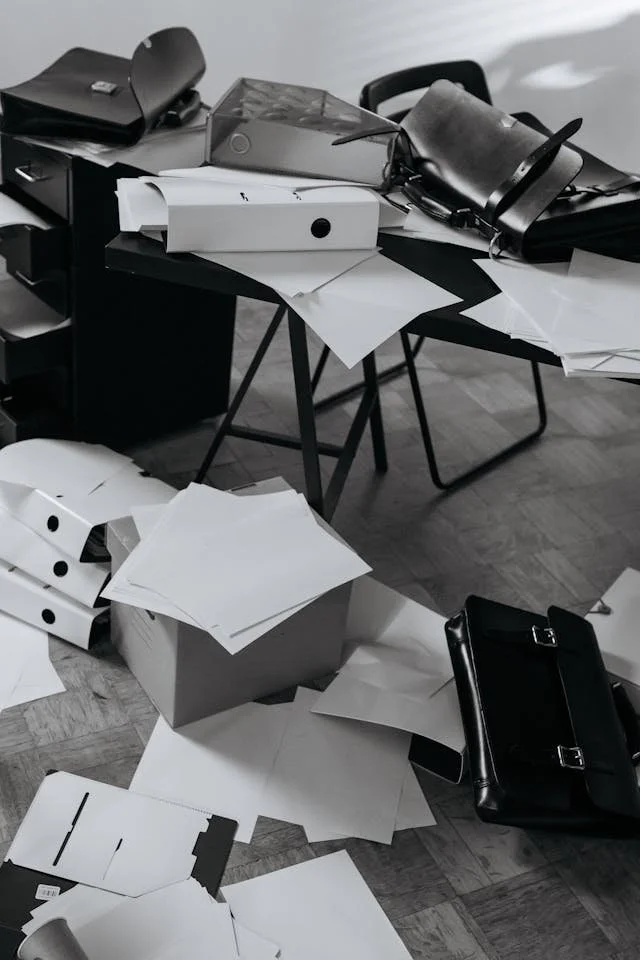
If you live with ADHD, clutter can feel like a constant source of shame. Piles accumulate. Surfaces disappear. Important items get lost. And alongside the mess comes a familiar inner narrative. Why can’t I just keep things organized like everyone else.
Clutter is often framed as a personal flaw, a lack of discipline, or a moral failing. For people with ADHD, this message is especially harmful. It ignores how the ADHD brain actually works and replaces understanding with judgment.
Clutter is not a character flaw. It is not laziness. It is not a failure of values. It is a predictable outcome of how ADHD affects attention, memory, time perception, and executive functioning. ADHD therapy helps people replace shame with clarity and build systems that support how their brains work.
Why ADHD and Clutter Are So Closely Linked
ADHD affects executive functioning. These are the mental skills that allow you to plan, organize, prioritize, start tasks, and follow through. When executive functioning is strained, organization becomes significantly harder, even when motivation is high.
Clutter often develops because:
Objects placed out of sight are forgotten
Tasks without urgency are hard to initiate
Decisions about where things belong feel overwhelming
Systems that require multiple steps break down
Maintenance feels harder than setup
None of this reflects a lack of care. It reflects differences in how the ADHD brain processes information and action.
Object Permanence and Visual Clutter
Many people with ADHD struggle with object permanence. This does not mean objects literally disappear from memory, but it does mean that things not visible are harder to recall.
As a result, people may leave items out as reminders. Bills, mail, clothes, tools, and paperwork stay visible because visibility supports memory. What looks like clutter to others may actually be a coping strategy.
The problem arises when visual reminders pile up faster than the brain can process them. ADHD therapy helps people develop systems that support memory without overwhelming visual space.
Decision Fatigue and Piles
Clutter often forms in piles. This is not accidental. Each item requires a decision. Where does this go. Do I need it. What category does it belong to.
For someone with ADHD, decision-making can be exhausting. When energy runs low, the brain defaults to the simplest option. Put it down for now. Over time, those temporary piles become permanent.
Clutter is often a sign of decision fatigue, not indifference. ADHD therapy helps reduce the number of decisions required so organization becomes more sustainable.
The Shame Spiral Around Clutter
Many people with ADHD have received years of criticism about messiness. Messages like clean your room, you are irresponsible, or why can’t you stay organized become internalized.
This creates a shame cycle:
Clutter appears
Self-criticism increases
Avoidance grows
Clutter worsens
Shame deepens
Shame makes organization harder, not easier. When the nervous system feels threatened, executive functioning decreases. ADHD therapy focuses on breaking this cycle by replacing judgment with self-compassion and realistic expectations.
Clutter and Emotional Overload
Clutter is not just visual. It is emotional. Seeing unfinished tasks everywhere can trigger anxiety, overwhelm, and a sense of failure.
For some people with ADHD, clutter becomes paralyzing. The mess feels too big to tackle, so it is avoided entirely. Avoidance then reinforces the belief that something is wrong with them.
ADHD therapy helps people approach clutter in smaller, safer steps that do not trigger shutdown.
Why Traditional Organization Advice Fails
Many organization systems are designed for neurotypical brains. They assume consistent habits, strong working memory, and ease with delayed rewards.
Common advice like put things away immediately or do a little every day often does not work for ADHD brains. When it fails, people blame themselves instead of the system.
ADHD therapy helps people design environments that work with ADHD, not against it.
Function Over Appearance
One of the most important mindset shifts for people with ADHD is prioritizing function over appearance. A home does not need to look minimal or aesthetic to be supportive. It needs to work.
Functional organization asks:
Can I find what I need
Does this reduce stress
Is this system easy to maintain
Does it support my energy and attention
If a system works, it is valid, even if it looks unconventional. ADHD therapy reinforces this shift away from moralizing clutter.
Clutter Does Not Reflect Your Values
A messy space does not mean you do not care. Many people with ADHD care deeply about their homes, families, and responsibilities. The disconnect between values and environment can be painful.
Clutter reflects bandwidth, not worth. It reflects capacity, not character.
ADHD therapy helps people align systems with values in ways that feel achievable rather than punishing.
Small Changes That Reduce Clutter Without Shame
Reducing clutter does not require perfection. It requires compassion and realistic supports.
Helpful strategies include:
Open storage instead of hidden containers
Fewer categories to reduce decision-making
Placing items where they are used, not where they should go
Using visual cues intentionally
Creating drop zones rather than forcing constant tidying
These strategies work because they respect how ADHD brains function. ADHD therapy often involves experimenting with systems rather than enforcing rigid rules.
Letting Go of Moral Language
Words matter. Calling yourself lazy, messy, or irresponsible reinforces shame and reduces motivation.
Replacing moral language with neutral language creates space for problem-solving. Instead of saying I am bad at cleaning, you might say this system is not working for me.
ADHD therapy helps people practice this shift until it becomes internalized.
When Clutter Is a Signal
Sometimes clutter is a signal of something deeper. Burnout, depression, grief, or overwhelm can all worsen executive functioning.
If clutter suddenly increases, it may be a sign that support is needed, not discipline. ADHD therapy helps people explore these connections with curiosity rather than blame.
How ADHD Therapy Helps With Clutter
ADHD therapy does not aim to make people perfectly organized. It aims to reduce suffering.
ADHD therapy can help by:
Reducing shame and self-criticism
Teaching executive functioning strategies
Supporting realistic goal setting
Addressing avoidance and overwhelm
Helping build systems that fit real life
When shame decreases, capacity increases.
You Are Not Failing
Clutter does not mean you are failing at adulthood. It does not mean you lack values or effort. It means your brain works differently and needs different support.
Understanding this can be profoundly freeing. ADHD therapy helps people move from self-judgment to self-understanding, which is where meaningful change begins.
Final Thoughts
Clutter is not a moral failure when you have ADHD. It is a common, understandable challenge shaped by how attention, memory, and executive functioning work.
When clutter is met with shame, it grows. When it is met with compassion and realistic support, it becomes manageable.
With the support of ADHD therapy, people can create environments that feel functional, supportive, and kind. You do not need to earn worthiness through organization. You are already enough, even with the piles.